Some dinners earn a permanent place in your weeknight rotation because they are simple, comforting, and forgiving. This easy creamy garlic pasta is one of them. It uses everyday ingredients, comes together without complicated techniques, and produces a silky sauce that clings to every strand of pasta.
The method is straightforward: cook the pasta, gently warm garlic in butter, add cream and Parmesan, loosen the sauce with starchy pasta water, and toss everything together. The result is rich without needing a long ingredient list. It is also flexible, so you can add spinach, mushrooms, chicken, peas, roasted vegetables, herbs, or a little chili whenever you want to change it.
If you are learning to cook, this recipe teaches an especially useful lesson: pasta water is an ingredient. That cloudy, starchy water helps butter, cream, cheese, and pasta come together into a smooth sauce. Once you learn the technique, you can use it for many other pasta dinners.
Why you’ll love this creamy garlic pasta
- Simple ingredients: Pasta, garlic, butter, cream, Parmesan, and a few seasonings do most of the work.
- Weeknight friendly: The sauce can be prepared while the pasta cooks.
- Comforting texture: A little reserved pasta water keeps the sauce glossy instead of heavy.
- Flexible: Add vegetables, chicken, herbs, lemon, or chili without changing the basic method.
- Easy to reheat: A splash of water or milk helps loosen leftovers.
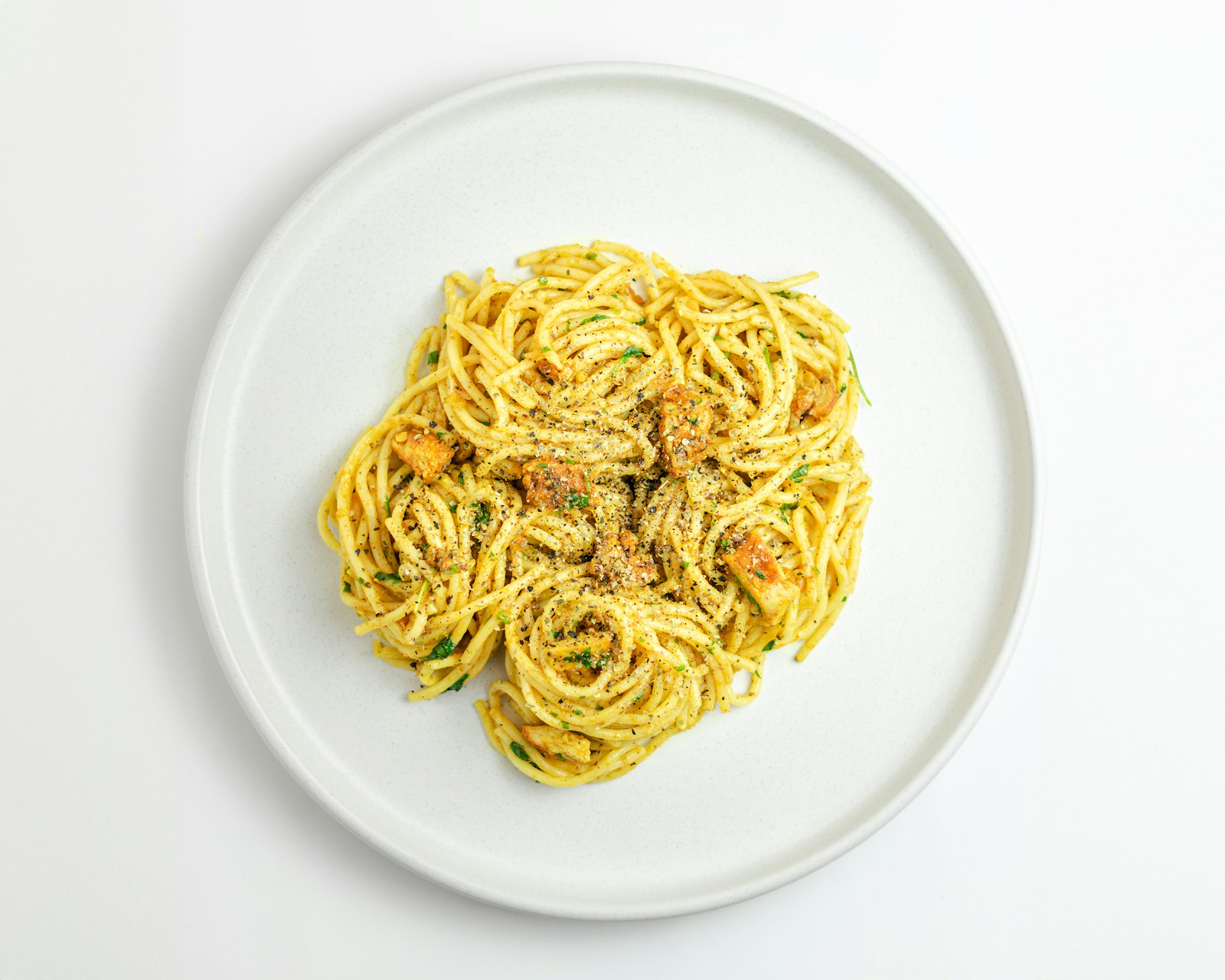
Recipe at a glance
Prep time: 10 minutes Cook time: 15 minutes Total time: 25 minutes Servings: 4
Difficulty: Easy. The most important details are keeping the garlic from burning, using moderate heat for the cream and cheese, and reserving pasta water before draining.
Ingredients
For about four servings, gather:
- 400 g dried pasta such as spaghetti, linguine, fettuccine, or penne
- 3 tablespoons unsalted butter
- 5 to 6 fresh garlic cloves, finely minced
- 240 ml heavy cream
- 80 g finely grated Parmesan cheese
- 120 ml reserved pasta water, plus extra as needed
- 1/2 teaspoon freshly ground black pepper
- 1/2 teaspoon fine salt, or to taste
- 1 tablespoon chopped fresh parsley
- 1 teaspoon lemon juice, optional
- A pinch of red pepper flakes, optional
Freshly grated Parmesan usually melts more smoothly than coarse pre-shredded cheese. Because Parmesan and salted pasta water can both contribute salt, taste the finished sauce before adding extra salt.
How to make creamy garlic pasta
1. Cook the pasta
Bring a large pot of water to a boil and season it generously with salt. Add the pasta and cook according to the package directions until just tender, preferably al dente.
Before draining, scoop out at least 120 ml of the cooking water. Keep it close to the stove. Do not rinse the pasta because the starch on its surface helps the sauce adhere.
2. Gently cook the garlic
While the pasta cooks, melt the butter in a large skillet over medium-low heat. Add the minced garlic and cook for about 60 to 90 seconds, stirring frequently.
The garlic should smell fragrant and become lightly softened. It should not become dark brown. Burnt garlic can taste bitter and will dominate the delicate cream sauce.
3. Build the cream sauce
Reduce the heat and pour in the cream. Warm it gently for a couple of minutes. A quiet simmer is enough; there is no advantage to boiling the cream aggressively.
Add black pepper and red pepper flakes if you are using them. Gradually stir in the Parmesan over low heat. Gentle heat gives the cheese time to melt into the sauce.
4. Add pasta water
Start with about 60 ml of reserved pasta water and stir. The sauce may look a little loose at first, but the pasta will continue absorbing liquid. Add another splash if the sauce becomes too thick.
This is the step that turns a heavy cream mixture into a sauce that feels integrated with the pasta. The starch in the cooking water helps the ingredients cling together.
5. Toss the pasta in the sauce
Add the drained pasta directly to the skillet. Toss continuously for one to two minutes so the sauce reaches every piece. Taste and adjust the seasoning.
Finish with chopped parsley and, if you like, a small squeeze of lemon juice. Serve immediately with extra Parmesan and black pepper.
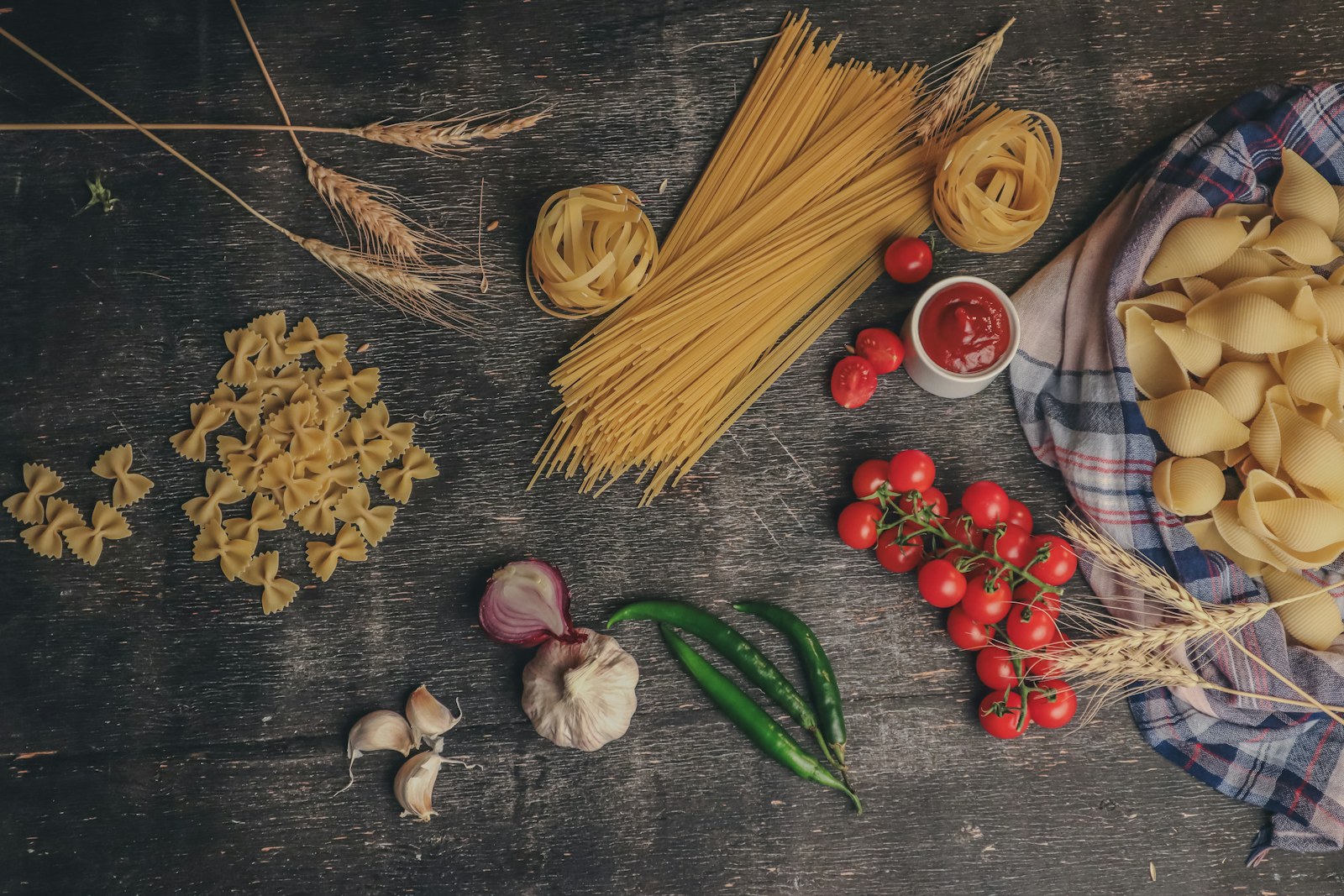
How to get a silky sauce every time
The most common problem with creamy pasta is a sauce that becomes either too thick or too thin. The easiest solution is to add pasta water gradually instead of pouring in a large amount at once.
Start with less water than you think you need. Toss the pasta with the sauce and add a tablespoon or two at a time. Pasta continues absorbing liquid as it sits, so a sauce that looks slightly loose in the skillet can become perfectly creamy on the plate.
Temperature matters too. Very high heat can make dairy and cheese separate. Once the cream is warm, keep the skillet at low to medium-low heat and stir regularly.
Choosing the best pasta shape
Long pasta such as spaghetti, linguine, and fettuccine works especially well because the creamy sauce coats the strands. Short shapes such as penne, rigatoni, and fusilli are equally useful when you want an easy family-style meal. Their curves and ridges catch the sauce and make the dish easy to serve.
Whichever shape you choose, avoid overcooking it. Pasta that is still slightly firm gives you time to finish it in the skillet, where it can absorb some sauce without becoming soft.
Easy variations
Creamy garlic chicken pasta
Add sliced cooked chicken breast or leftover roast chicken during the final toss. This makes the dish more substantial while keeping the original sauce intact.
Garlic spinach pasta
Add two large handfuls of fresh spinach to the skillet just before the pasta. Toss until the leaves wilt, then add the pasta and finish as usual.
Mushroom garlic pasta
Sauté sliced mushrooms in a little butter or olive oil before cooking the garlic. Let them develop some color, then continue with the cream sauce. Mushrooms add a savory, earthy note that pairs naturally with Parmesan.
Lemony garlic pasta
Add a little lemon zest and a teaspoon or two of lemon juice at the end. The acidity gives the rich sauce a brighter finish.
Spicy creamy garlic pasta
Add red pepper flakes with the garlic. For more heat, add another pinch just before serving.
Vegetable creamy pasta
Broccoli, peas, zucchini, roasted peppers, and green beans can all work. Cook firm vegetables before the pasta is added, while delicate greens can be stirred in near the end.
What to serve with creamy garlic pasta
This pasta is rich enough to stand alone, but a fresh or crisp side can balance the meal. Try a simple green salad dressed with lemon and olive oil, roasted broccoli, sautéed green beans, or sliced tomatoes with herbs.
Garlic bread is a natural pairing when you want a more comforting dinner. If you are serving the pasta as part of a larger meal, keep the side dishes relatively light so the creamy sauce remains the focus.
Storage and reheating
Allow leftovers to cool and transfer them to a covered container. Refrigerate them promptly and use them within a few days.
Cream sauces often thicken in the refrigerator. To reheat, place the pasta in a skillet over low heat and add a splash of water, milk, or cream. Stir gently until the sauce loosens and the pasta is warmed through. Avoid very high heat, which can cause the sauce to separate.
If you know you will have leftovers, slightly undercook the pasta when making the original meal. It will soften further during reheating.
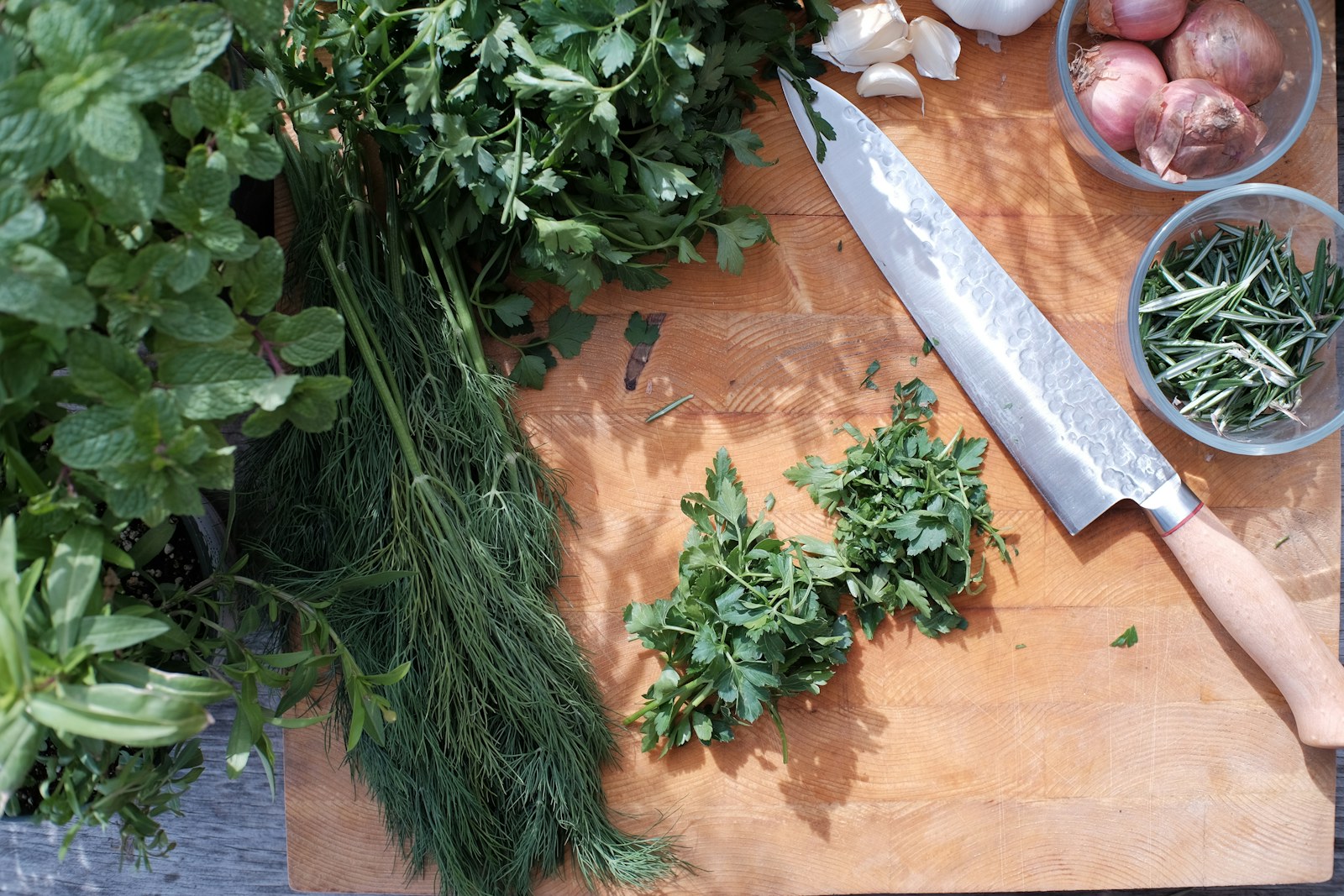
Common mistakes to avoid
- Burning the garlic: Keep the heat moderate and stir frequently.
- Boiling the cream hard: A gentle simmer is enough.
- Adding Parmesan over high heat: Lower the heat and stir it in gradually.
- Throwing away pasta water: Reserve some before draining.
- Making the sauce too thick: Loosen it gradually with pasta water.
- Over-salting early: Parmesan already brings saltiness, so taste before adding more.
- Leaving the pasta in the sauce too long: Serve soon after the final toss for the best texture.
Frequently asked questions
Can I use milk instead of cream?
Yes. The sauce will be lighter and less rich. Keep the heat gentle and use Parmesan plus pasta water to give the sauce body.
Can I make this without Parmesan?
Yes, although Parmesan contributes flavor and texture. Without it, expect a thinner and less savory sauce and adjust the seasoning carefully.
Can I add vegetables?
Absolutely. Spinach, peas, broccoli, mushrooms, zucchini, and roasted peppers all work. Cook firmer vegetables before adding the pasta and stir delicate greens in near the end.
How do I stop creamy pasta from drying out?
Do not cook it aggressively after the cheese is added. Reserve pasta water and use it to loosen the sauce during cooking and reheating.
Can I prepare the sauce ahead?
This dish is best finished just before serving. If you need to work ahead, prepare the ingredients and cook the pasta close to serving time. The sauce can thicken as it sits, so it is easier to achieve the right texture when the final toss happens at the table.
A simple cooking timeline
For an efficient dinner, put the pasta water on first. While it heats, grate the Parmesan, mince the garlic, chop the parsley, and measure the cream. Once the pasta is cooking, build the sauce in the skillet.
Try to finish the sauce shortly before the pasta is ready. If the sauce gets done early, lower the heat rather than letting it boil while you wait. When the pasta is ready, reserve the water before draining and move the pasta directly into the skillet.
The final minute is important. Tossing hot pasta with the sauce lets the starch, butter, cream, and cheese come together. This is where a simple sauce becomes glossy and cohesive.
How to make the recipe work for a crowd
For a larger dinner, scale the ingredients evenly and use a wide skillet or large sauté pan. A wide cooking surface makes it easier to toss the pasta without crushing it and gives you more control over the sauce.
Keep a little extra pasta water nearby. Pasta can absorb sauce quickly while sitting in a serving bowl, so a splash of warm water can bring the texture back if needed. Finish the pasta shortly before serving rather than cooking it far in advance.
For a relaxed table, place the pasta in a warm serving bowl and finish it with Parmesan, parsley, black pepper, and a few red pepper flakes. Put extra cheese and lemon wedges nearby so everyone can adjust their own plate.
Why this recipe belongs in a weeknight rotation
A useful weeknight recipe should be dependable, adaptable, and easy to understand. This one checks all three boxes. The basic method stays the same even when you change the pasta shape or add another ingredient. That makes it less of a rigid formula and more of a foundation you can return to.
It also teaches a practical cooking technique: using starchy pasta water to build a smooth sauce. Once you are comfortable with that technique, you can apply the same idea to many other pasta dishes. Learning a few flexible methods is often more useful than memorizing dozens of complicated recipes.
Keep the ingredients on hand and this can become a reliable answer to the familiar question, “What can I make tonight?” It is comforting enough for a relaxed dinner, presentable enough for guests, and simple enough for an ordinary weekday.
Final tips for a better bowl of pasta
Good creamy pasta is less about adding more ingredients and more about controlling small details. Salt the pasta water, cook the garlic gently, reserve starchy water, keep the sauce at a moderate temperature, and toss the pasta directly in the skillet.
Serve it while hot, with extra Parmesan, black pepper, and parsley. If you like a brighter flavor, lemon is an easy finishing touch. If you prefer deeper flavor, add sautéed mushrooms or cooked chicken.
Most importantly, taste as you go. Pasta, Parmesan, and butter can vary in saltiness, so the final seasoning should always be adjusted to the ingredients in your kitchen.
More from Savor & Hearth
Looking for more practical cooking inspiration? Explore our Quick & Easy recipes, browse Pasta for more comforting dishes, or visit our Kitchen Tips section for practical ways to make everyday cooking easier.